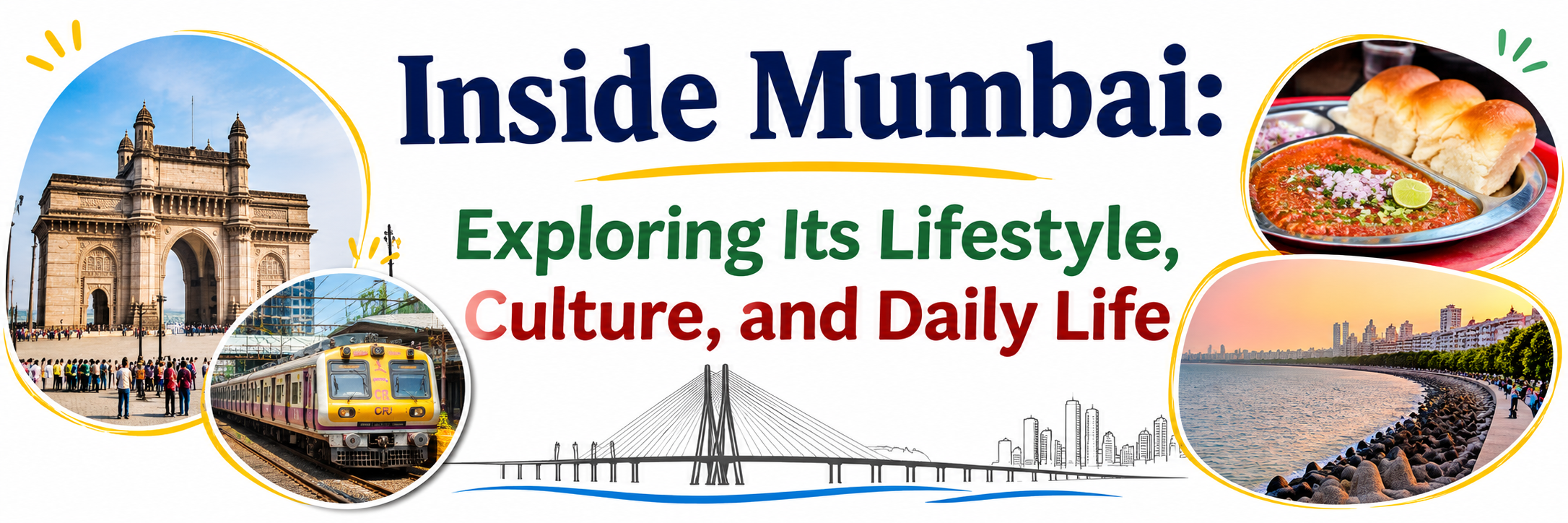
Mumbai is a city that rarely seems to slow down. People walk fast, trains stay busy, and markets remain full of life.
The city offers many chances to work, learn, shop, and explore. It also asks visitors to plan their time well.
Mumbai may feel busy at first. But a little local knowledge can make your visit easier.
This guide explains how daily life works in Mumbai. You will learn about transport, work culture, food, shopping, local areas, and travel tips.
1. Understand Why Mumbai Moves So Fast
Mumbai is one of India’s major business and entertainment centres. People come here for jobs, education, trade, and new chances.
This mix creates a busy daily routine. Many people travel long distances for work or study.
The city also has a large mix of old and new areas. You can find offices, homes, markets, beaches, and historic places.
A City Full of Different People
Mumbai brings together people from many parts of India. They speak different languages and follow different customs.
You may hear Marathi, Hindi, Gujarati, English, and other languages. This mix gives the city a lively feel.
Work and Daily Travel
Many people start their day early. They travel by train, bus, metro, taxi, or auto-rickshaw.
Some work in offices and shops. Others work in films, trade, food, transport, and many other fields.
A Busy Yet Social City
People often meet friends after work. They may visit food stalls, cafes, parks, or the sea.
This makes Mumbai more than a place for work. It also offers many ways to enjoy free time.
2. Learn How Mumbai’s Local Trains Shape Daily Life
Local trains play a major role in Mumbai. Many people use them to travel between home, work, and school.
The suburban railway has three main routes:
- Western Line
- Central Line
- Harbour Line
Each line serves different parts of the city and suburbs.
Why Local Trains Matter
Road traffic can slow down travel. Local trains offer another way to cross long parts of the city.
But trains can get very crowded during busy hours. First-time visitors should plan their trips with care.
How to Use Local Trains Step by Step
Step 1: Find Your Starting Station
Check the station closest to your hotel. Then find the station nearest your destination.
Step 2: Check the Correct Line
Find out whether you need the Western, Central, or Harbour Line. Do not guess the route.
Step 3: Check the Train Type
Some trains stop at every station. Others skip selected stations and reach farther stops faster.
Step 4: Buy the Right Ticket
Use an official ticket counter or a valid digital ticket option. Check the ticket rules before boarding.
Step 5: Confirm the Platform
Read the station signs and listen to announcements. Ask railway staff if you feel unsure.
Step 6: Stay Alert While Boarding
Keep your bag close. Wait for passengers to leave before you enter.
Step 7: Check Your Destination
Follow station announcements and signs. Get ready before your train reaches your stop.
A Useful Tip for New Visitors
Avoid the busiest travel periods when possible. This can make your first local train trip easier.
Also, do not stand near train doors with loose bags. Keep your phone and wallet secure.
3. Understand Mumbai’s Work Culture
Mumbai has a strong work culture. Many people follow tight schedules and daily targets.
The city has jobs in finance, media, trade, technology, retail, and services. It also has a large film and television industry.
Punctuality Matters
People often plan their day around travel time. A late train or traffic jam can affect many plans.
So, allow extra time before an important meeting. Check your route before leaving.
Many Types of Jobs
Mumbai offers many types of work. You may find office roles, creative jobs, sales work, and small businesses.
People also work in shops, hotels, restaurants, and transport services. Each field has its own daily routine.
A Strong Business Environment
The city has offices, markets, ports, and business centres. These places support many kinds of trade.
Visitors may notice how busy areas become during office hours. Many workers travel across the city each day.
Tips for Business Visitors
- Keep your meeting address ready.
- Check the route before leaving.
- Save your contact details.
- Allow extra time for traffic.
- Dress in a way that suits the meeting.
- Keep a backup travel plan.
Good planning can help you manage a busy workday.
4. Explore Mumbai’s Food Culture
Food is a big part of Mumbai life. The city offers street snacks, local meals, cafes, and fine dining.
You can find food from many Indian regions. You can also enjoy dishes linked with Mumbai’s local culture.
Popular Mumbai Foods
Vada Pav: A spicy potato snack served inside bread. Many people enjoy it as a quick meal.
Pav Bhaji: A thick mix of cooked vegetables served with bread. It is popular at food stalls and restaurants.
Bhel Puri: A crunchy snack made with puffed rice, sauces, and fresh items. It offers a mix of sweet and spicy tastes.
Sev Puri: A small snack with crisp puris, chutneys, and toppings. It is a common street food choice.
Bombay Sandwich: A vegetable sandwich with chutney and spices. Many local shops serve their own versions.
Koli Seafood: Seafood linked with Mumbai’s coastal fishing communities. Different places prepare fish in different styles.
How to Enjoy Street Food Safely
Follow these simple steps:
- Choose a busy stall with regular customers.
- Check that the food looks fresh.
- Prefer food cooked in front of you.
- Drink sealed or trusted drinking water.
- Avoid food that has been left uncovered.
- Choose a clean place to sit and eat.
Try small portions when you taste something new. This lets you enjoy more local dishes.
5. Know the Best Ways to Travel Around Mumbai
Mumbai offers many transport choices. Your best option depends on distance, traffic, cost, and comfort.
Local Trains
Trains work well for many long trips along railway routes. They can help you avoid some road traffic.
However, they may become crowded during peak periods. Check your route before you travel.
Mumbai Metro
The metro serves selected parts of the city. It offers another way to travel between connected areas.
Check the route and station before starting. Not every place has a nearby metro stop.
BEST Buses
BEST buses connect many parts of Mumbai. They can help you reach places away from train stations.
Check the route number and destination board. Ask the conductor if you need help.
Auto-Rickshaws
Auto-rickshaws work well for many short trips in suburban areas. They can help you reach a nearby station or market.
Check local service rules for your area. Not every part of Mumbai has the same auto access.
Taxis and App-Based Cabs
Taxis and app-based cabs offer direct travel. They can be useful when you carry bags or travel with family.
But road traffic can affect travel time. Check the fare and route before your ride.
Choose the Right Transport
| Transport | Useful for | What to consider |
|---|---|---|
| Local train | Longer trips on rail routes | Crowds and station changes |
| Metro | Areas served by metro lines | Route coverage |
| BEST bus | Local road travel | Traffic and stops |
| Auto-rickshaw | Short suburban trips | Local service rules |
| Taxi or cab | Direct travel | Fare and traffic |
Do not rely on one transport type for every trip. Compare your choices each time.
6. Understand Mumbai’s Traffic and Busy Hours
Mumbai has busy roads and crowded junctions. Traffic can change your travel time.
Office travel, school trips, shopping, and road work can affect traffic. Rain can also make some journeys slower.
How to Plan Around Traffic
Step 1: Check your route before leaving.
Step 2: Compare road and train options.
Step 3: Leave early for important plans.
Step 4: Avoid adding too many stops.
Step 5: Keep extra time for delays.
Step 6: Share your travel plan with someone when needed.
Do Not Trust Distance Alone
A place may look close on a map. But traffic can make the journey longer.
Check travel time, not just distance. This is useful when you have a meeting or train to catch.
7. Explore Mumbai’s Markets and Shopping Areas
Mumbai offers many shopping choices. You can explore street markets, malls, local shops, and large stores.
Each area has its own style. Some are known for fashion, while others offer food or daily goods.
Colaba Causeway
Colaba Causeway is a popular shopping street in South Mumbai. Visitors can explore clothes, accessories, and small gift items.
Take time to compare prices. Check the quality before buying.
Crawford Market
Crawford Market is known for its busy market setting. You can explore many types of goods and local shops.
The area can feel crowded. Keep your belongings close while shopping.
Linking Road
Linking Road in Bandra offers many clothing and accessory shops. It is a useful stop for people who enjoy street shopping.
Compare items before making a purchase. Ask about return rules when buying from a shop.
Fashion Street
Fashion Street is another known shopping area. Visitors can browse clothes and other low-cost fashion items.
Check the item before paying. Do not assume every shop offers the same quality.
Shopping Tips
- Set a budget before shopping.
- Compare prices at different stalls.
- Check product quality.
- Ask about the final price.
- Keep cash and cards secure.
- Avoid carrying too many shopping bags.
8. Enjoy Mumbai’s Beaches and Open Spaces
Mumbai has busy streets, but it also offers places to relax. Beaches, parks, and green areas give visitors a break from city noise.
Marine Drive
Marine Drive is a well-known sea-facing road. People visit to enjoy the sea view and walk along the promenade.
It can be busy during evenings. Follow local rules and keep the area clean.
Juhu Beach
Juhu Beach is a popular place for visitors and local families. You can enjoy the sea view and nearby food options.
The beach can get crowded. Keep an eye on children and personal items.
Bandra Bandstand
Bandra Bandstand offers a sea-facing walking area. It is a nice place to enjoy a calm view of the coast.
Respect local homes and public spaces. Avoid loud behaviour near residential areas.
Sanjay Gandhi National Park
This large green area sits in Borivali. It offers nature trails and access to the historic Kanheri Caves.
Check entry rules and visitor details before going. Plan enough time for your visit.
9. Learn About Mumbai’s Festivals and Local Culture
Mumbai has people from many cultures and faiths. Their festivals add colour and energy to city life.
Ganesh Chaturthi
Ganesh Chaturthi is a major festival in Mumbai. Many people welcome Lord Ganesha with prayers and public celebrations.
Some areas become very crowded during the festival. Check local travel advice before visiting large events.
Diwali
Diwali brings lights, decorations, and family gatherings. Homes and shops often display lamps and festive items.
Visitors can enjoy the festive mood. Follow local rules about fireworks and noise.
Navratri
Navratri brings music, dance, and community events. Many people join Garba and other local celebrations.
Check event details before attending. Choose a safe and suitable place.
Eid and Christmas
Mumbai also celebrates Eid and Christmas. You may see special food, decorations, prayers, and community events.
These festivals show the city’s many traditions. Visitors should respect local customs and places of worship.
10. Understand the Cost of Daily Life
Mumbai can be costly in some areas. But visitors can manage their spending with a clear plan.
Your total cost depends on your hotel, food, transport, and activities. Your travel dates and location also matter.
Main Expenses to Plan
- Hotel or guesthouse
- Food and drinks
- Local transport
- Shopping
- Entry fees
- Mobile data
- Emergency money
Simple Ways to Manage Your Budget
Choose Your Stay Carefully: A hotel near a useful train or metro station may reduce travel effort.
Use Public Transport: Trains, metro, and buses can help control travel costs.
Plan Your Meals: Mix local food places with restaurants that fit your budget.
Group Nearby Attractions: Visit places in the same area on one day.
Set a Shopping Limit: Decide how much you can spend before entering a market.
A simple budget can help you enjoy Mumbai without extra stress.
11. Stay Safe and Respect Local Rules
Mumbai is a large city with busy public spaces. Visitors should stay aware of their surroundings.
Keep Your Belongings Safe
Keep your phone, wallet, and bag secure. Be careful in crowded trains, markets, and public events.
Use Trusted Transport
Use official transport services and known booking options. Check vehicle details before starting a ride.
Be Careful Near the Sea
Follow signs and local safety advice at beaches. Avoid entering the water when conditions look unsafe.
Respect Local Customs
Dress suitably for the place you visit. Follow rules at religious sites and public events.
Plan for Heavy Rain
Mumbai can receive heavy monsoon rain. Check weather and travel updates before going out.
Avoid flooded roads and underpasses. Never walk or drive through deep floodwater.
12. How to Adjust to Mumbai’s Fast-Paced Lifestyle
A busy city can feel tiring at first. But a few simple habits can make daily life easier.
Follow these steps:
Step 1: Plan Your Day Early
Write down your main tasks. Group places that sit near each other.
Step 2: Learn Nearby Transport
Find the closest train and metro stations. Check useful bus routes too.
Step 3: Keep Extra Travel Time
Do not plan every minute. Leave room for traffic and delays.
Step 4: Carry Daily Essentials
Keep water, a phone charger, and basic personal items with you. Carry rain protection when needed.
Step 5: Take Short Breaks
Busy streets can feel tiring. Spend time in a park, cafe, or quiet place.
Step 6: Explore One Area at a Time
Do not try to see the whole city in one day. Choose a few nearby places.
Step 7: Stay Flexible
Your plans may change because of traffic or weather. Keep another option ready.
13. Common Mistakes Travelers Should Avoid
First-time visitors can make a few simple mistakes. Avoid these to make your trip smoother.
Trying to Visit Too Many Places in One Day
Mumbai is a large city. Travel between areas can take time.
Ignoring Peak Travel Hours
Busy trains and roads can feel difficult. Plan your travel time with care.
Choosing a Hotel Without Checking Its Location
A low room price may not save money. You may spend more on daily travel.
Relying Only on Road Travel
Traffic can affect your plans. Compare trains and metro routes too.
Forgetting the Weather
Rain can change road and travel conditions. Check local updates before leaving.
Carrying Too Much Cash
Use safe payment options where possible. Keep some cash for small purchases and emergencies.
Frequently Asked Questions
1. Why is Mumbai known for its fast-paced lifestyle?
Mumbai has busy work areas, markets, transport routes, and social spaces. Many people follow tight daily schedules.
2. What is the main transport system in Mumbai?
Mumbai uses local trains, metro services, buses, taxis, and auto-rickshaws. The best option depends on your route.
3. Are Mumbai local trains useful for tourists?
Yes, they can help visitors travel across the city. First-time users should check routes and avoid very crowded periods.
4. What food should visitors try in Mumbai?
Try vada pav, pav bhaji, bhel puri, sev puri, and Bombay sandwiches. Choose clean food stalls and trusted places.
5. Is Mumbai expensive for visitors?
Costs depend on your hotel, food, transport, and plans. Public transport and local food can help manage your budget.
6. Which places offer a break from Mumbai’s busy streets?
Marine Drive, Juhu Beach, Bandra Bandstand, and Sanjay Gandhi National Park offer different outdoor experiences.
7. What should visitors know about Mumbai traffic?
Road traffic can change travel time. Check your route and compare road travel with train or metro options.
8. Which shopping areas are popular in Mumbai?
Colaba Causeway, Crawford Market, Linking Road, and Fashion Street are well-known choices. Compare prices and check quality.
9. What should visitors carry during the monsoon?
Carry rain protection and waterproof bags for important items. Check weather and travel updates before leaving.
10. How can first-time visitors enjoy Mumbai without stress?
Plan one area at a time. Use suitable public transport and leave extra time for travel.
Final Thoughts
Mumbai’s fast-paced lifestyle is part of its charm. The city brings work, food, culture, and travel together.
It may feel busy at first. But simple planning can make your visit much easier.
Learn the transport system, explore local food, and respect local customs. Take time to enjoy both the busy streets and quiet spaces.
Most of all, explore Mumbai at your own pace. You do not need to see everything in one day.